

Blockchain technology is a disruptive innovation that has the potential to transform our food system. The advent of this new technology and movement often referred to as “blockchain” or “distributed ledger” technology, represents a new opportunity to create the change needed within our food supply chain. Let’s review a few of the solutions a blockchain can provide;
Transparency and Feedback
In agriculture, blockchain technology has the potential to lead to a transition from a supply chain to a system that allows consumers to track food products from farm-to-table and allow consumers to give their feedback directly to the producer. Who then in turn can reward (coupons, offers, etc) that specific consumer for giving their feedback. That direct 2-way connection between producer and consumer hasn’t been possible till now and it shows the power of the abilities of the blockchain.
“Blockchain technology is a distributed ledger system that allows for real-time tracking of products through their entire life cycle, from production to point of sale.”
Product Shortages
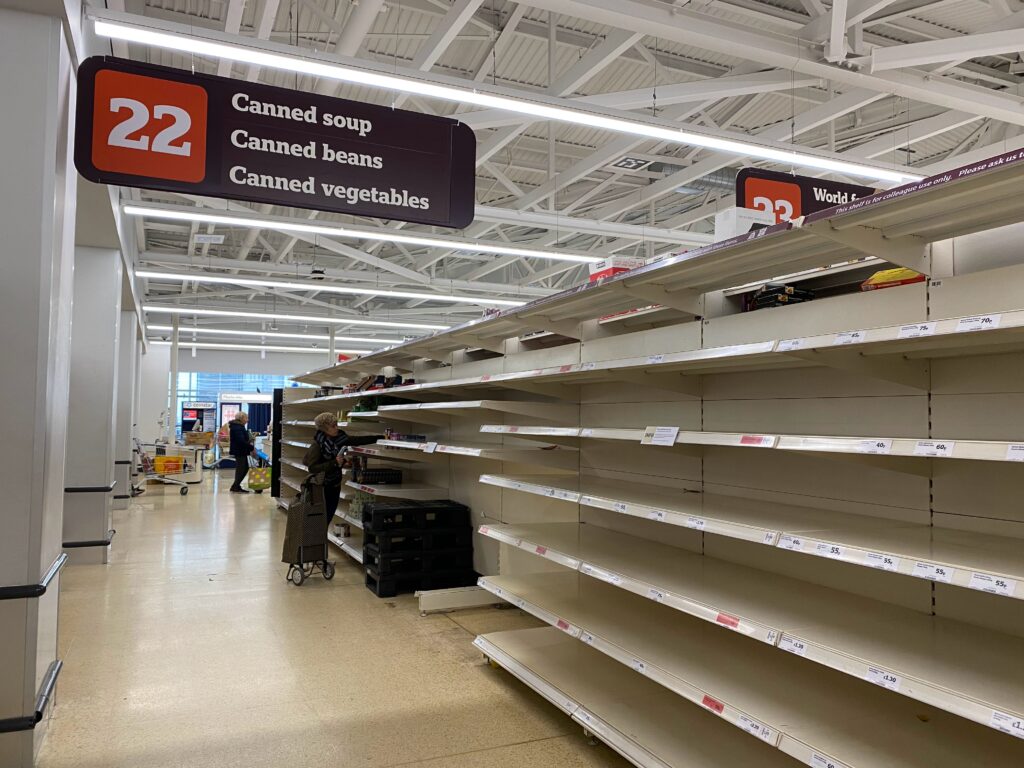
Blockchain technology can be used to manage supply chain processes in a way that helps with shortages like the recent baby Tylenol shortage due to increased demand.
Blockchain technology is a distributed ledger system that allows for real-time tracking of products through their entire life cycle, from production to point of sale. This means that any changes or disruptions in the supply chain can be caught early and rectified before they become problematic.
For example, if there is a shortage of a particular product at any stage in its journey from factory to store shelf, blockchain technology would allow manufacturers and retailers to see this immediately and take action before they sell out or run out of stock.
Reducing and minimizing the impact of recalls
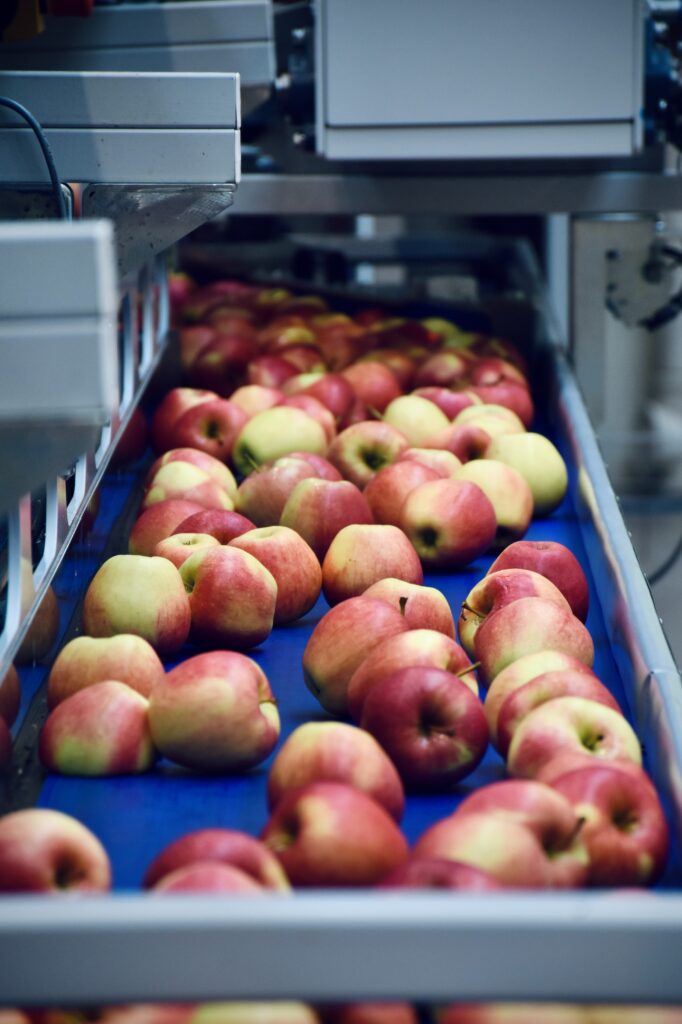
The biggest problem with recalls is that they take time and money.
For a producer, it’s not just the cost of recalling the product that matters. There’s also the cost of shipping, storage, and disposal associated with the recall. Plus, there are lost sales from customers who may be wary of buying from a brand after something goes wrong.
For retailers, it’s not just the cost of throwing away food or drink that matters. They also lose money when they have to throw out good products while waiting for replacements. And if those replacements are slow in coming, then their customers will start to turn elsewhere for their needs.
Both producers and retailers have been looking at blockchain as a way to reduce these costs and make recalls faster and easier to manage. The idea is that blockchain can quickly identify what went wrong and where—and determine the fix—so that producers don’t have to waste time trying to figure out what happened before they can respond appropriately. They also won’t have to spend time waiting on tests or inspections before they can announce their recall plan or get started with their response plan.
This means that both producers and retailers can save money on recalls by using blockchain technology—which means more profits for them both which means lower costs for consumers.
Reduce Food Wastage and Food Loss
Blockchain technology is helping farmers get more out of their crops.
When a farmer grows crops, they’re always trying to maximize their production, but they don’t always have the data they need to do so. A blockchain-based system can help them track everything from soil quality to weather patterns and even worker productivity. This allows the farmer to understand how each variable affects yield, so they can make better decisions about what to plant in the future.
The same goes for food waste and loss. Blockchain technology can help retailers keep track of their inventory and avoid over-ordering items that go bad before they are sold. It also helps them see when demand increases or decreases at certain times of the year, allowing them to adjust their sales forecasts accordingly. That way, when there’s a shortage of something like strawberries in an area at harvest time, retailers can adjust their orders accordingly without wasting any product or losing profits due to unexpected demand spikes or weather damage (which happens surprisingly often).
Incentivizing the Consumer Using Coupons
The blockchain can facilitate coupons by allowing producers to create tokens representing the coupon, which can then be securely distributed to consumers based on their feedback. These tokens can be programmed to include specific criteria (e.g. minimum purchase amount, valid duration, etc.) and provide an immutable record of the coupon distribution. Consumers can then redeem their tokens directly with the producer to receive their reward. This approach not only makes the coupon distribution process more secure and transparent but also allows producers to track and analyze consumer feedback data more.
Conclusion
Overall, the Efixii blockchain platform will offer a higher level of transparency for all parties within the food production chain. For this reason, we see tremendous potential for the Efixii blockchain to disrupt and revolutionize how food is produced and distributed, maximizing efficiency and profitability for all stakeholders.


